

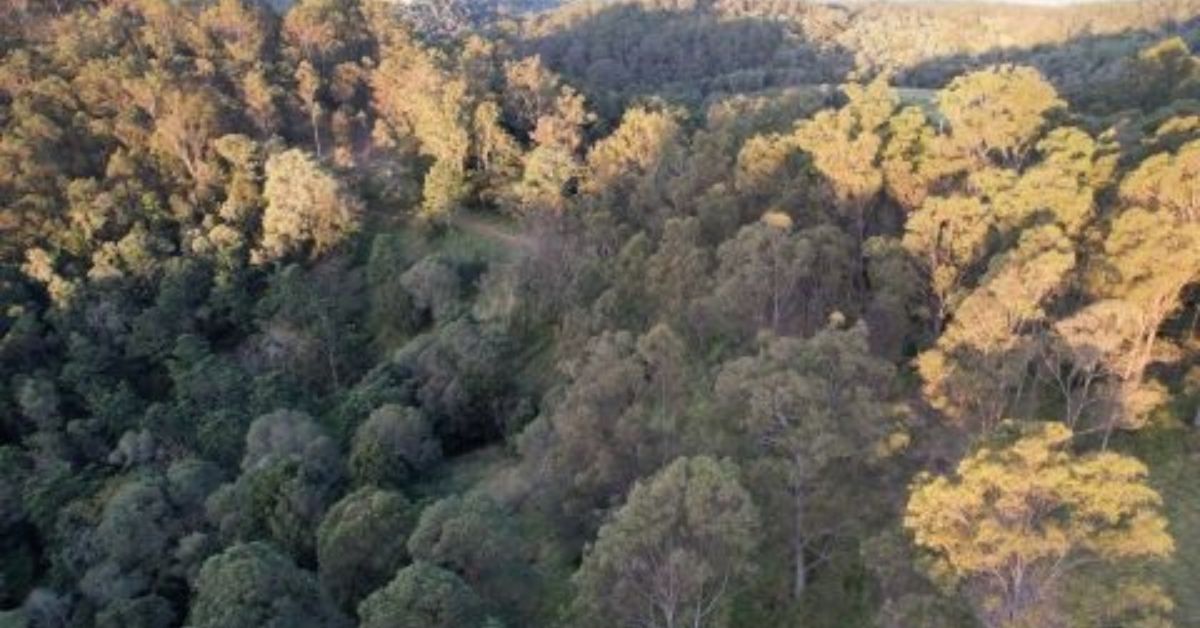
Fire trail works have commenced at 309 Eatons Crossing Road in Eatons Hill and 519 Bunya Road in Bunya, two of five sites across Moreton Bay where access tracks are being established to support controlled ecological burns and protect native species from the threat of uncontrolled wildfire.
The works, which run through to late June, are taking place on land acquired through the Land Buyback for Environmental Purposes Program, a voluntary scheme that has secured more than 100 hectares of key environmental land across the City of Moreton Bay since its introduction in 2020.


For Albany Creek residents, both the Eatons Hill and Bunya locations sit within the Hills District bushland corridor that forms the green backdrop of the suburb’s western and southern edges.
At 519 Bunya Road, the works also include targeted vegetation management to reduce a section of weed infestation and understory bushfire fuel load alongside the fire trail establishment. The same additional vegetation work is occurring at the fifth site, 114 Collins Road in Everton Hills. The remaining two sites in the current program are at 2 Flowers Road, Caboolture and 18 Jagera Court, Closeburn.


Tracks built to follow what was already there
The new fire trails have been specifically designed to minimise ecological impact. The majority follow pre-existing trails or farm tracks that already cross these properties, reducing the need for new vegetation clearing.
Native canopy trees will remain in place throughout, and the design of each trail has been guided by the need to avoid or minimise impact on sensitive ecological features and protected species.
Qualified and licensed fauna spotter-catchers are present on site during all works to monitor and protect native wildlife. It is the same precautionary approach used during the ecological burns themselves, where fauna spotters watch for koalas and other animals in and around the burn area throughout the operation.
Fire as a tool for biodiversity
The purpose of establishing fire trails is not simply about access for fire trucks. In the ecology of South East Queensland’s bushland, controlled fire is an active management tool. Banksias rely on heat to open their seed cones.


Grass trees, abundant in the Hills District bushland, regenerate strongly after burns and produce the flower spikes that provide critical nectar for birds and native bees. Ground-layer species that are gradually suppressed by fuel build-up recover after a burn that removes competing material and allows light back to the soil.
Without controlled burns, fuel loads accumulate to the point where any ignition, whether from lightning, ember cast from a distant fire or another source, produces an uncontrolled fire of much greater intensity. That kind of fire can destroy the nesting hollows, streamside vegetation and ground habitat that koalas, platypus and ground-nesting birds depend on.
The Moreton Bay region has recorded platypus across 37 creeks and waterways, and some of those run through the bushland connected to the Eatons Hill and Bunya sites.
The Land Buyback Program was updated in July 2025 to place greater emphasis on conservation-significant wildlife habitats and restoring native vegetation on previously cleared areas. The program supports a target to maintain 42 per cent native vegetation cover across the City of Moreton Bay, with a view to increasing that figure over time.
Stay informed during burns
Works are expected to run through to late June 2026. Residents near any of the five sites may notice machinery activity in the coming weeks as trail construction progresses. When controlled burns are carried out on these sites in the future, MoretonAlert notifications will go to registered residents in the surrounding area ahead of ignition.
To sign up for MoretonAlert and receive planned burn notifications for your area, click this link. More information about the Land Buyback for Environmental Purposes Program can be viewed here.
Published 30-April-2026
CLICK ANY LOGO TO SEE PUBLICATION