


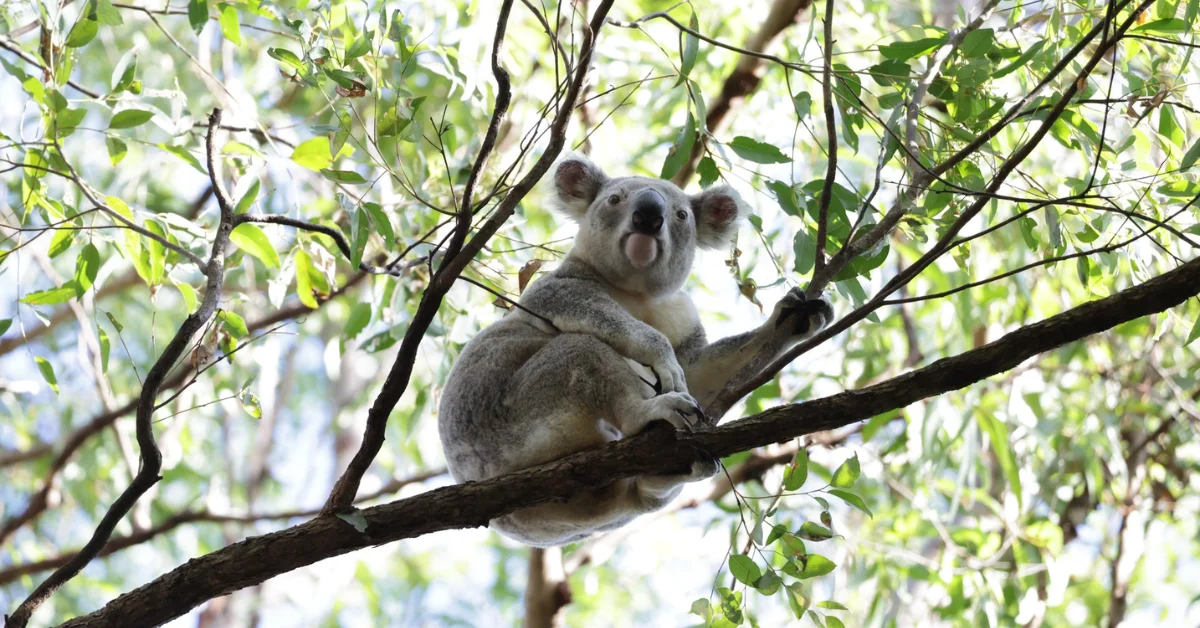
Albany Creek locals have a nearby conservation story to watch as a koala population study moves through selected Moreton Bay reserves, using thermal-camera drones and detection dogs to collect data for future habitat work.
Overnight Survey Work Tracks Koalas From Above
In selected reserves across Moreton Bay, koala survey work is taking place after dark, when thermal-camera drones are being used to scan the landscape from above.


The population study is designed to improve understanding of koalas in local parks and reserves. With support from the University of the Sunshine Coast, the project is collecting data that will later help guide conservation work in the surveyed areas.
The method brings together technology and field work. Drones fitted with thermal cameras are flown in organised back-and-forth routes across specific reserves to help locate koalas. After that aerial survey work, field personnel move through the area with detection dogs to carry out scat surveys on the ground.


The samples collected through those ground checks will be analysed to assess koala health and demographics. That process is expected to help build a clearer picture of the animals living in the study areas.
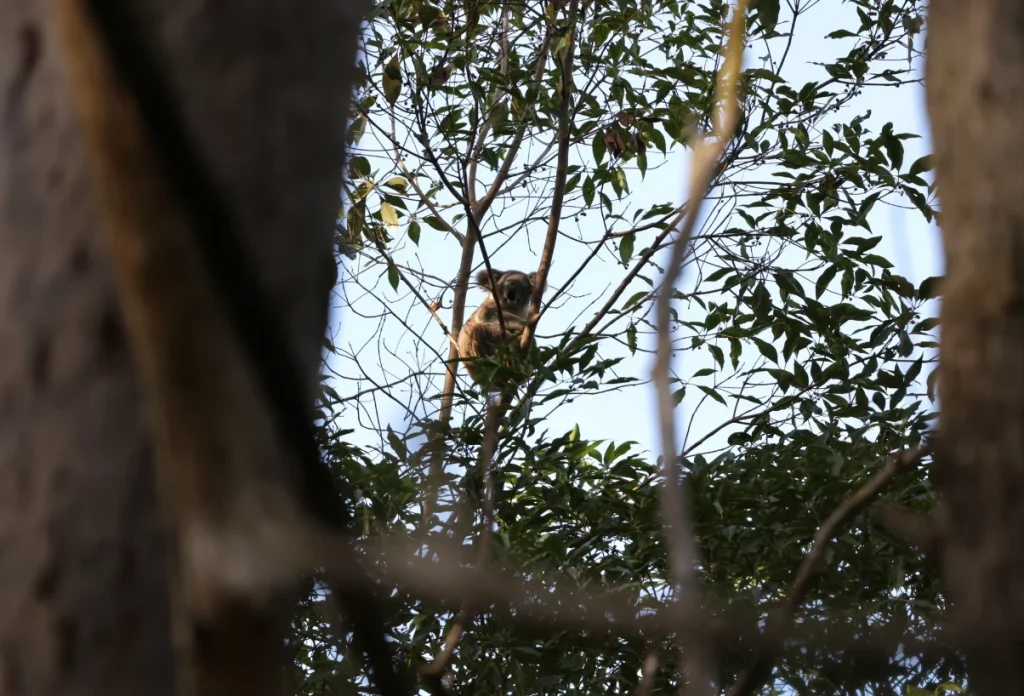
Seven Survey Areas Named Across Moreton Bay
The study is being carried out in Murrumba Downs, Kallangur, Strathpine, Petrie, Lawnton, Whiteside and Joyner.
Survey activity is scheduled to continue until 11 June 2026, depending on weather conditions. Work is being undertaken between 10pm and 5am, giving teams an overnight window for the drone flights and follow-up ground checks.
No results have yet been released, and the study remains focused on gathering information. The aim is to fill gaps in knowledge about koala populations before future conservation work is planned for the surveyed reserves.


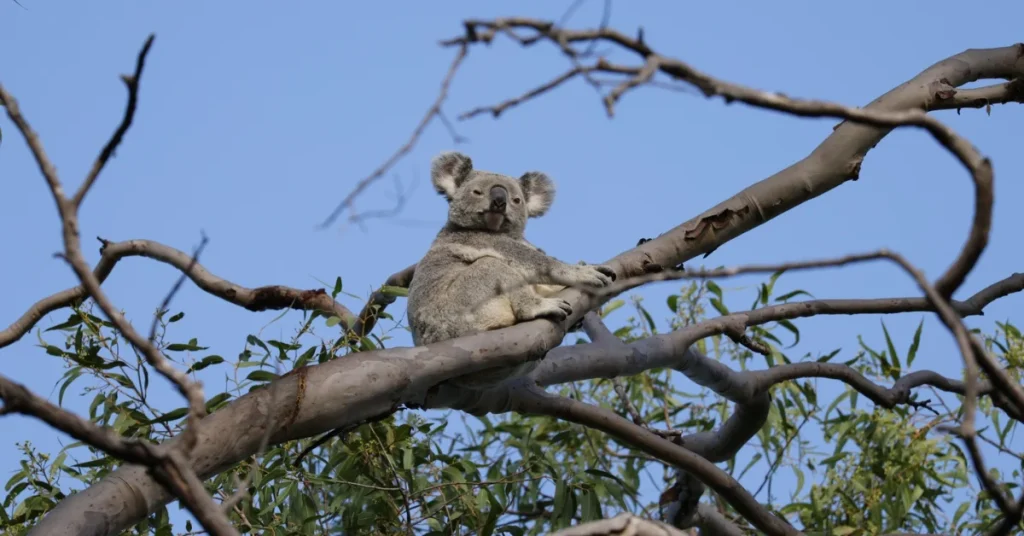
Findings May Shape Future Koala Protection
Once the survey data has been analysed, the results may help guide work such as vegetation and koala habitat assessments, weed control, infill planting, disease management, koala hatches, underpasses and exclusion fencing.
The project is not only looking for where koalas are present. Through scat analysis, it is also seeking information about their health and demographics, giving the study a broader conservation purpose than a simple location survey.
By pairing thermal drone detection with trained dogs and field sampling, the work uses several methods to understand koala activity across the selected reserves. The findings are expected later this year and may help determine where future habitat and movement-support measures are most needed.
Published 1-June-2026
CLICK ANY LOGO TO SEE PUBLICATION