

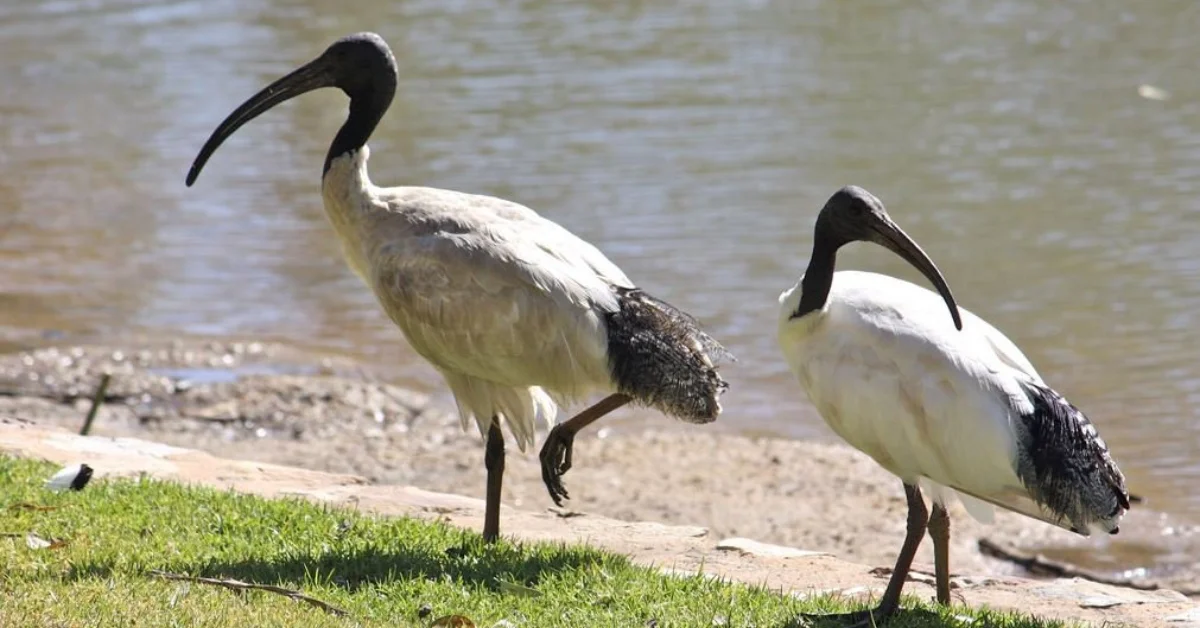
A tracking study of Australian white ibis in the Moreton Bay region, including tagging activity in Strathpine, has found the birds travel across large distances while some remain close to local habitats.
Strathpine Part Of Ibis Tracking Study
Strathpine has been included as one of several locations where Australian white ibis were tagged as part of a broader study examining bird movement across Moreton Bay.


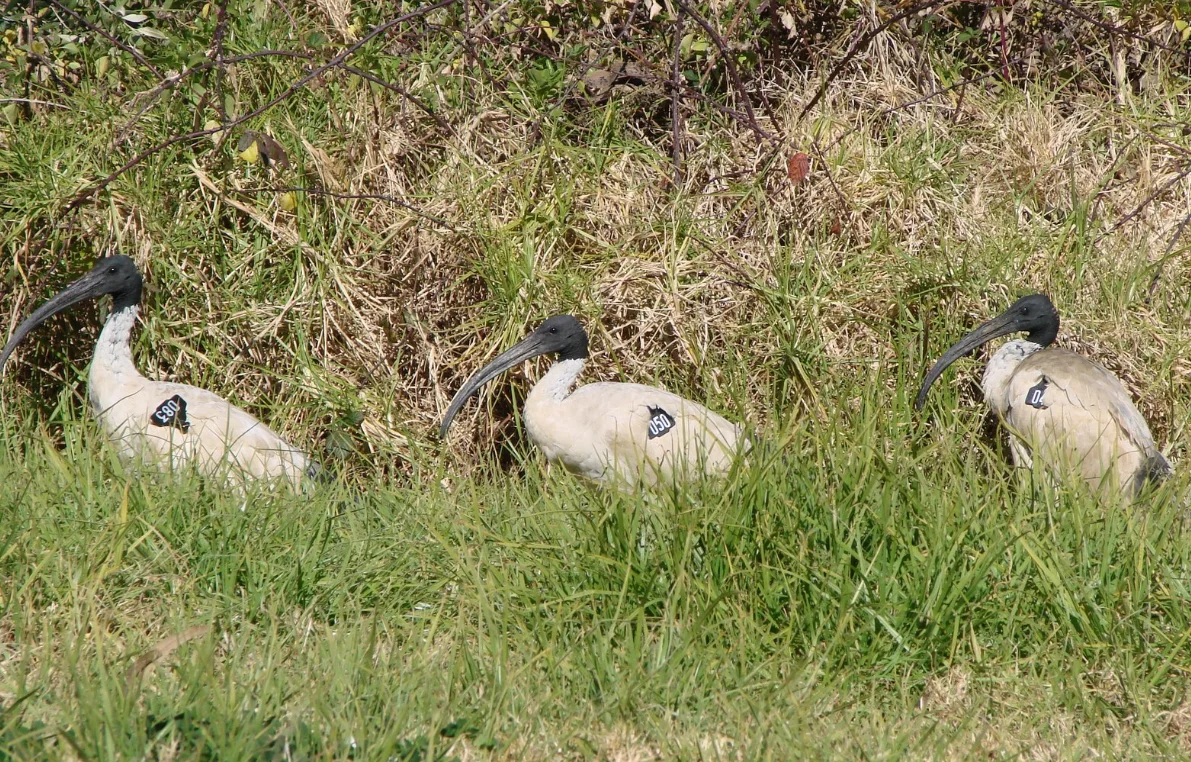
The project tracked 169 ibis over nearly two years using coloured tags, with 19 also fitted with short-term GPS trackers to monitor daily movement. Results show a mix of behaviours, with some birds travelling long distances and others staying within a limited area.
Sightings of tagged ibis have been recorded across multiple regions, including Mackay, Rockhampton, Gympie, Noosa, Sunshine Coast, Brisbane, Logan, Gold Coast, Fraser Coast and Byron Bay.


Breeding Growth Prompted Research
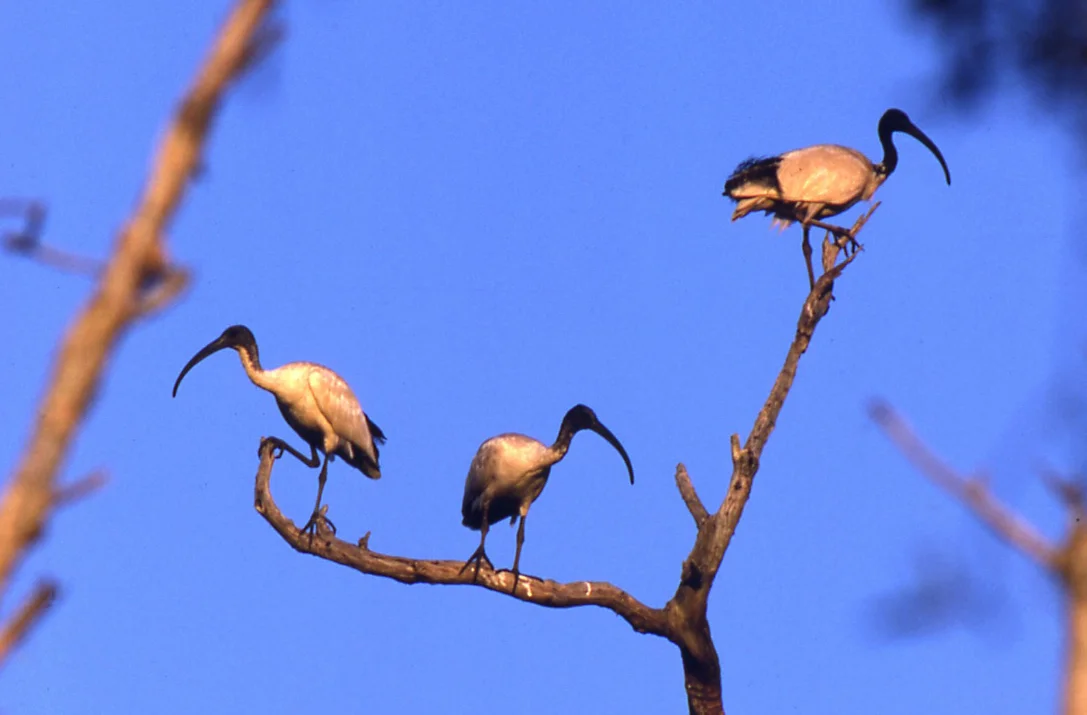
The study began in 2021 following a sharp increase in ibis breeding sites across Moreton Bay. Records show breeding locations rose from 17 to 70 within four years.
Researchers examined whether ibis populations are resident or migratory, identified preferred breeding habitats, and analysed how the birds use urban environments.
Tagging took place at several sites across the region, including Bribie Island, Bunya, Caboolture, Morayfield, Burpengary East, Scarborough, Strathpine, Lawnton and Woodford.
Movement Patterns Vary Across Birds
Tracking data highlights clear differences in ibis behaviour. Some birds travelled across coastal regions before returning to Moreton Bay, while others remained close to where they were tagged.


One ibis stayed within five kilometres of its tagging location, while others moved through multiple regions before returning. Recorded journeys also show travel between key urban and regional areas along the east coast.
Urban Adaptation And Management
Australian white ibis are native wetland birds that have adapted to urban environments, commonly feeding and breeding in parks, waterways and other developed spaces.
The findings show ibis colonies form part of a broader network extending across multiple regions rather than isolated local groups. This movement pattern has implications for managing urban wildlife in areas such as Strathpine.
Current management approaches focus on limiting access to artificial food sources, maintaining clean public areas and monitoring nesting activity during breeding periods.
Community Role In Monitoring
Residents in Strathpine and surrounding areas are encouraged to avoid feeding ibis, secure rubbish bins and keep outdoor areas clean to help manage populations.
The public can also contribute to ongoing monitoring by reporting sightings of tagged birds through the Big City Birds citizen science app.
The study is expected to guide long-term ibis management and improve understanding of how the species interacts with urban environments.
Published 19-Mar-2026
CLICK ANY LOGO TO SEE PUBLICATION