

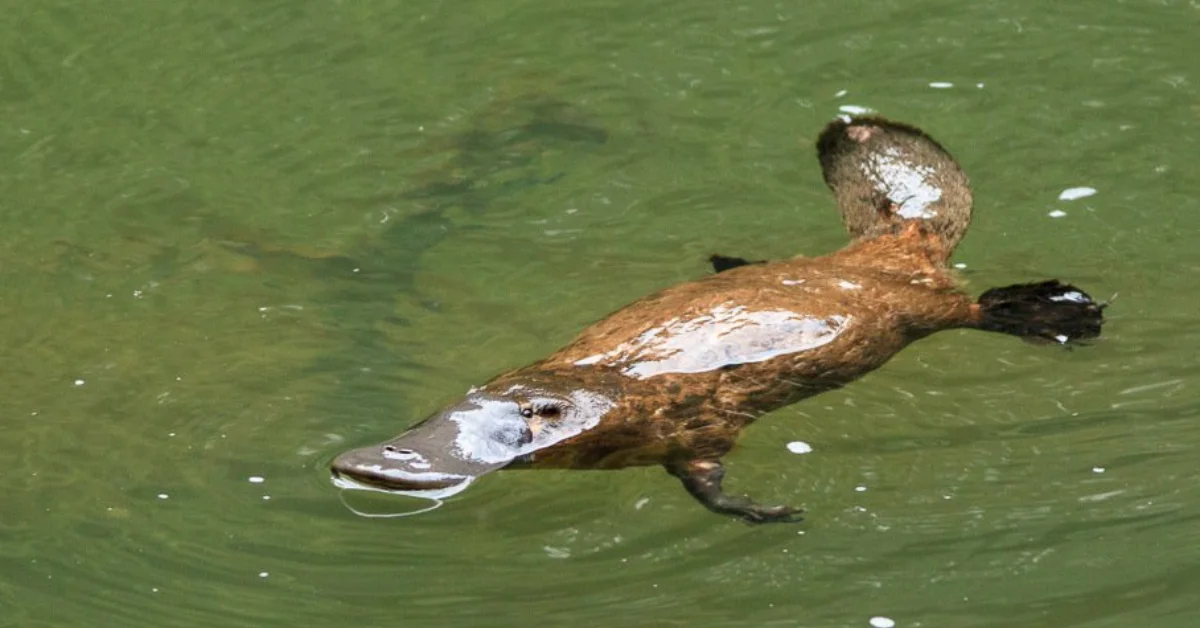
Platypus DNA detections have included Albany Creek, as an environmental DNA monitoring program shows the species is more widely distributed across local waterways than previously identified.
Monitoring Reveals Broader Platypus Distribution
A three-year platypus monitoring program has confirmed the species is present across a wide range of waterways within the City of Moreton Bay. Using environmental DNA sampling, the program detected platypus DNA across all five major river catchments: Caboolture, North Pine, South Pine, Stanley and Maroochy.


The most recent round of monitoring recorded platypus DNA at 90 sites across 37 creeks and rivers, with results spanning from Albany Creek to Stony Creek. The findings indicate platypuses are present across a broader area than earlier data suggested.
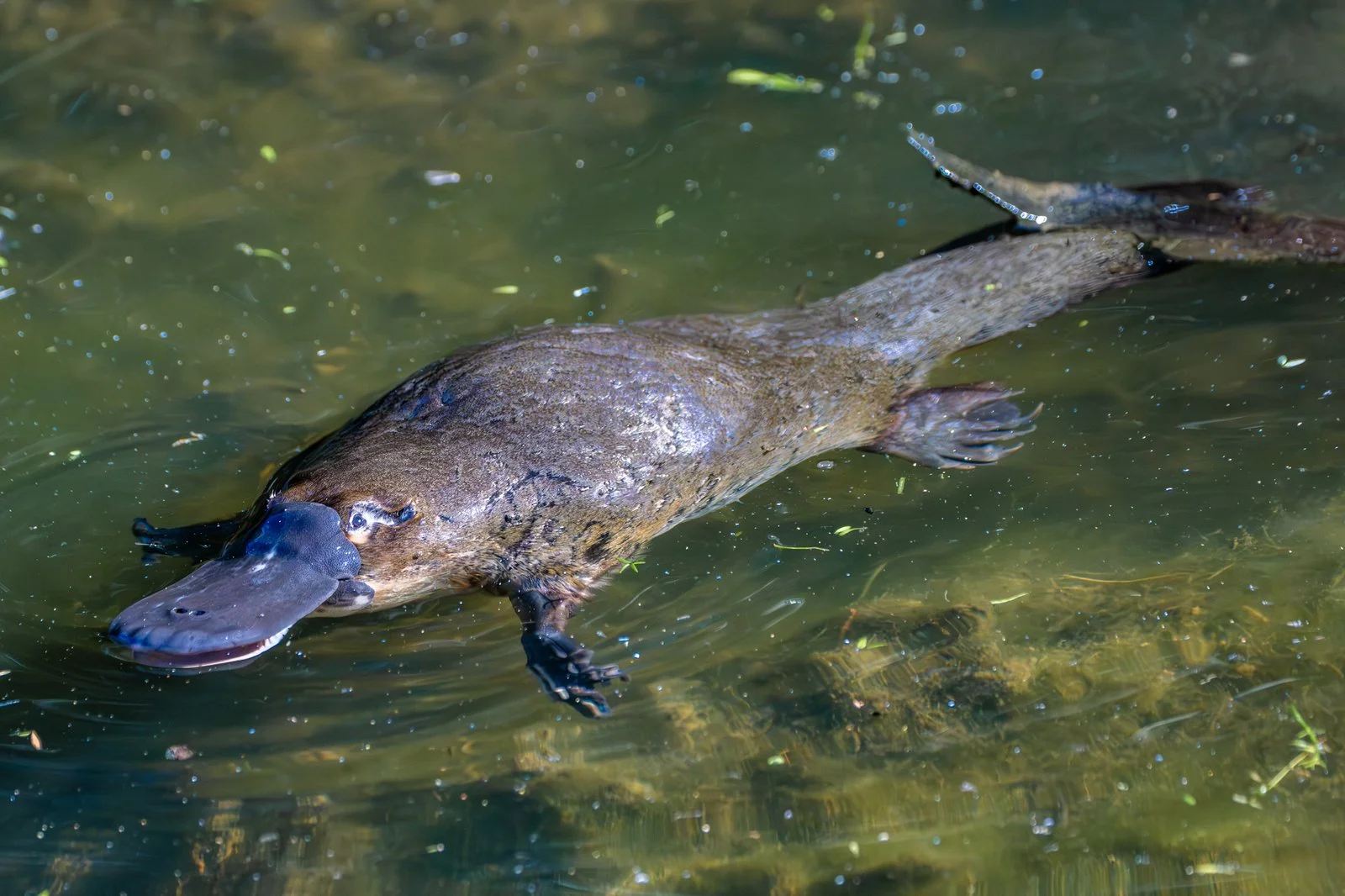
How Environmental DNA Sampling Works
Environmental DNA monitoring involves collecting water samples and analysing them for traces of genetic material shed by animals. This approach allows researchers to detect platypus presence without disturbing the animals or their habitat.


Sampling is conducted during the breeding season in July and August, when detection rates are higher. A negative result does not confirm absence, as insufficient DNA in a sample can prevent detection. To address this limitation, the program also uses camera traps and community sightings, which have confirmed platypus activity at several locations where DNA results were negative.
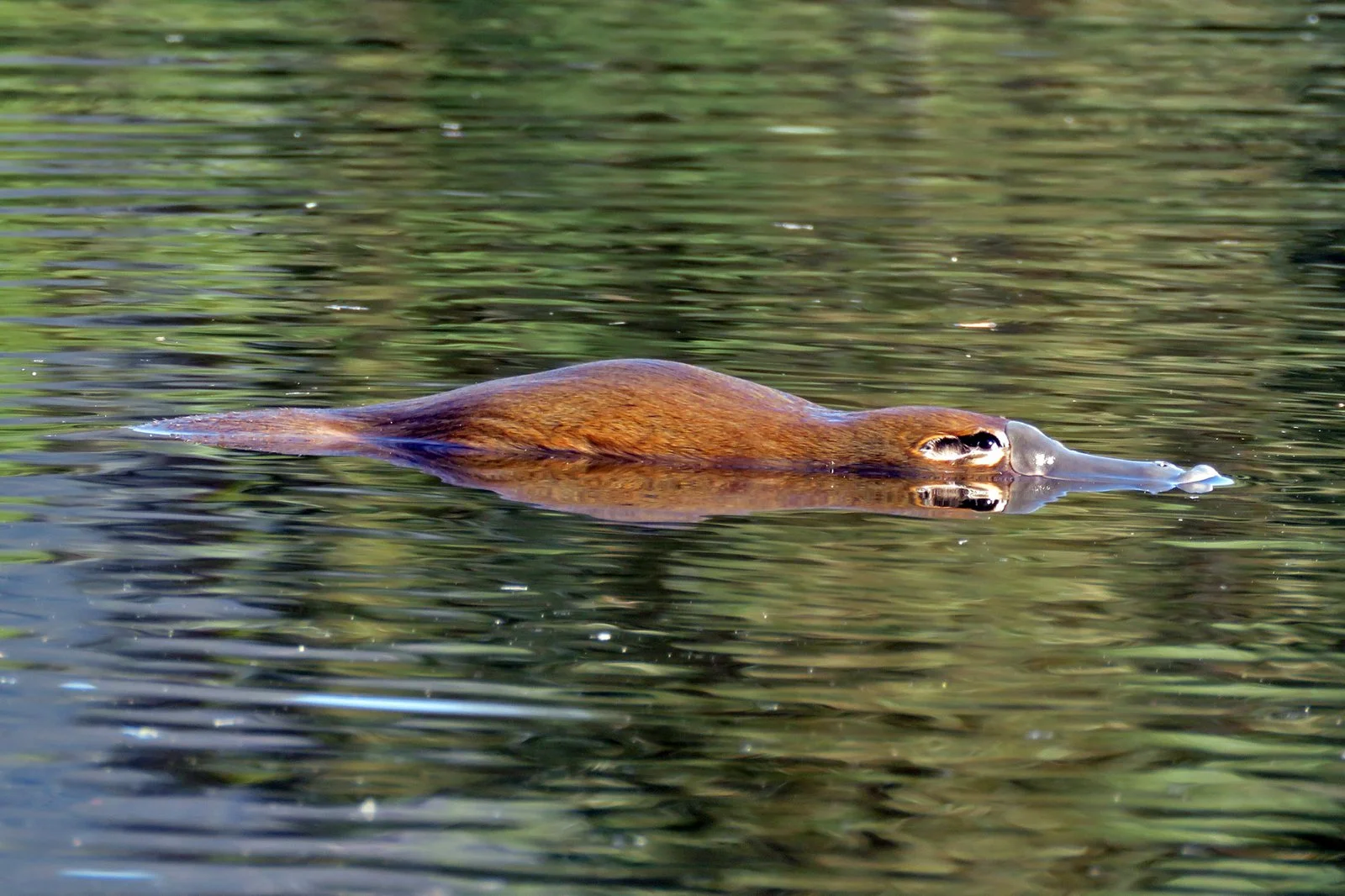
Albany Creek Among Unexpected Locations
The results show platypus DNA was detected not only in bushland waterways but also in creeks running through urban and industrial areas. Albany Creek is among the waterways identified within this wider detection range, highlighting the species’ ability to persist in modified environments.
Program Growth Since 2023
The monitoring program began with a pilot in 2023, testing 84 sites and returning 36 positive detections. It expanded in 2024 to 155 sites, with 71 positive results. The latest round recorded the highest number of detections to date.


While it remains too early to determine long-term population trends, the data is being used to establish a baseline to assess future changes and support ongoing habitat management.
Published 18-Jan-2026
CLICK ANY LOGO TO SEE PUBLICATION